
Bánh trôi nước (Hồ Xuân Hương ~1800)
Thân em vừa trắng lại vừa tròn
Bảy nổi ba chìm với nước non
Rắn nát mặc dầu tay kẻ nặn
Mà em vẫn giữ tấm lòng son
Floating rice balls (translated by Xuân Nhi - Soni, 2026)
This self of mine – white and round
Seven floatings, three sinkings with the flow
Hard or mushy – despite their molding hands
Yet I keep my crimson heart
Banh troi nuoc (floating rice balls) is a simple Vietnamese dish eaten during the Cold Food Festival (Tet Han Thuc) to honor ancestors. The balls are made from white rice flour, initially sinking to the bottom when boiled – then floating to the surface when cooked. When kneading the dough, too much water will make the balls sticky, while too much flour will dry them out and crack. Regardless of the dough, if the filling is delicious, it’s worth eating.
The above is a poem taught in 8th grade Vietnamese Literature (old curriculum) in Vietnam uses the simple banh troi to describe the plight of women in feudal times. During that era, women bore the heavy burden of “three obediences and four virtues,” living not according to their own will but subservient to others. Their happiness or suffering was determined by others and the circumstances of the time. Despite this, they still managed household chores, engaged in trade, farming, and handicrafts, busily caring for their families.
Bánh trôi nước là một món bánh đơn giản được người Việt ăn vào Tết Hàn thực để kính nhớ ông bà tổ tiên. Món bánh được nặn thành viên tròn từ bột gạo trắng, ban đầu khi cho vào nồi luộc thì chìm dưới đáy nồi – đến khi chín thì nổi lên bề mặt. Khi nhào bột, nếu cho dư nước thì bánh sẽ bị dính bết vào tay, dư bột thì khô đét lại và nứt nẻ. Dù phần bột thế nào, nếu phần nhân ngon thì khi ăn vẫn đáng. Bài thơ được dạy ở môn Ngữ văn lớp 8 (chương trình cũ) ở Việt Nam, trong đó chiếc bánh trôi giản dị được Hồ Xuân Hương mượn để tả về thân phận người phụ nữ thời phong kiến. Thời đó, phụ nữ nặng gánh ‘tam tòng tứ đức’, sống không được theo ý mình mà để phục tùng người khác. Cuộc sống sướng khổ là do người khác, do thời cuộc định đoạt. Dù vậy, họ vẫn đứng ra quán xuyến việc nhà, buôn bán, làm nông, làm đồ thủ công, … tất bật vun vén để chăm lo cho gia đình.
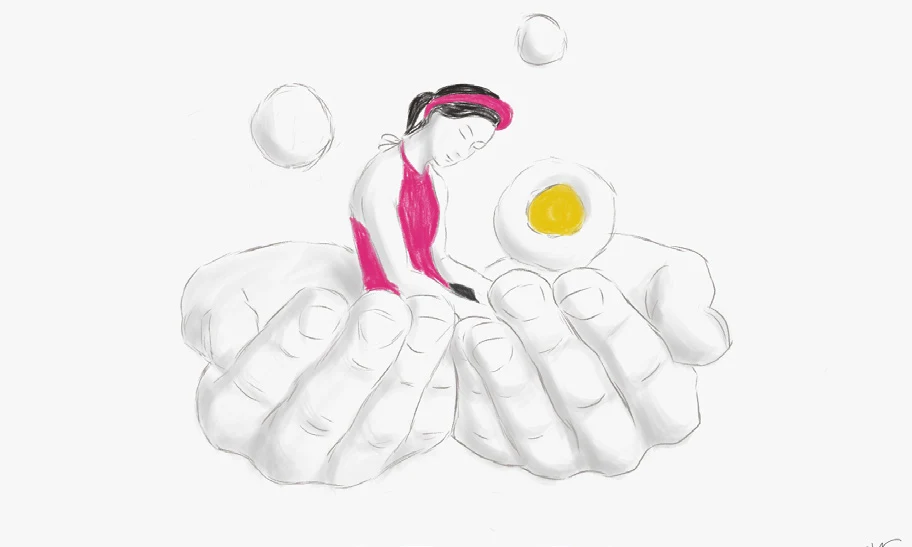
Drawing by Soni
Lê Xuân Nhi (Soni), from Vietnam. A 4th-year Mechanical Engineering international student. She enjoys reading works from different languages and genres.
Join the conversation
Comments are reviewed before appearing. Your display name and comment may become public if approved. Email is optional, never displayed, and is erased when moderation is completed.