
“100 people, 1 poem (each)” (百 人一首), or ‘Hyakunin Isshu’ is an anthology whose contents span a broad timeframe, from 7th century to 13th century. Most of that time was the “Heian” era (794 AC - 1185 AC) – the “peace” era considered to be the Golden Age of Japanese art and poetry. It is worth noting that haiku poetry didn’t exist until centuries later when Japan was under shogunate (military) governments with samurai.
In modern day Japan, the poems in Hyakunin Isshu are still popular because they are used in the Karuta card game, where players race to grab the card that matches the reader’s – testing memory, speed and concentration. Karuta is a popular family game often played during Japanese New Year. There are also national competitions of the game, formal and elegant occasions, with players and judges donning traditional clothing, keeping traditional customs and emphasizing sportsmanship.
The poems are arranged in chronological order, but people also arrange them by topic, especially by seasons, as Japanese people often use the imagery of nature to implicitly describe their feelings.
My personal favorites from the anthology are poems 55, 77, and 84.
Poem 55: In Memory Only (by Fujiwara no Kintō)
Japanese — Romanization — Word for word translation by Soni
- 滝の音は — Taki no oto wa — as for the sound of the waterfall
- 絶えて久しく — Taete hisashiku — having ceased for a long time
- なりぬれど — Narinuredo — though it has indeed become so
- 名こそ流れて — Na koso nagarete — its name, surely, flows on
- なほ聞えけれ — Nao kikoe kere — even now, is still heard!
Japanese — Romanization — Translation
- 滝 — taki — waterfall
- の — no — of (to link a noun to another noun)
- 音 — oto — sound; noise
- は — wa — subject marker (mark that this noun is the subject of the sentence)
- 絶えて — taete — having ceased; having stopped
- 久しく — hisashiku — long ago
- なり — nari — become
- ぬ — nu — perfective auxiliary, has indeed
- れど — redo — although; though
- 名 — na — name
- こそ — koso — emphatic particle, indeed
- 流れて — nagarete — flowing; being passed down; spreading
- なほ — nao — still; even now
- 聞え — kikoe — be heard
- けれ — kere — exclamatory ending of けり(keri); realization. keri is a classical Japanese auxiliary that often does 2 things in poems: Marks a sense of discovery/realization-Adds and emotional exclamation
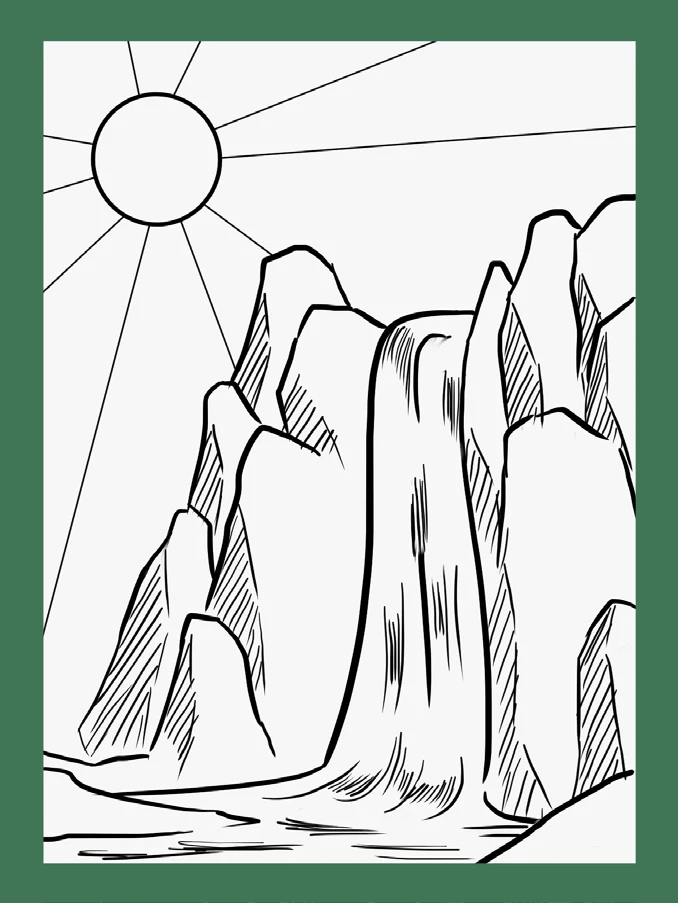
I interpret the waterfall in this poem as something that is sort of legendary in the past, that no longer exists now, but its reputation lives on in people’s minds and hearts. To extend this further, the poet is himself a ‘waterfall’ because although he passed away long ago, we can still ‘hear’ him – through his poem! This poem is a beautiful encapsulation of ‘leaving a legacy’, and isn’t the world that we live in today also full of echoes of the legendaries from the past? From the lullabies that we grow up with and the stories that we write and pass on, these ‘waterfalls’ connect people across the flow of time all together.
With the same imagery of flowing water, let us continue to poem 77.
Poem 77: Parting ways (by Sutoku-in)
Japanese — Romanization — Word for word translation by Soni
- 瀬をはやみ — Se wo hayami — Because the rapids are swift
- 岩にせかるる — Iwa ni sekaruru — a boulder – forced apart against
- 滝川の — Takigawa no — – the rapid stream
- われてもすゑに — Warete mo sue ni — though being split – eventually
- 逢はむとぞ思ふ — Awan to zo omou — meet again – I surely think
Japanese — Romanization — Translation
- 瀬 — se — rapids, shallows
- を — wo — because of; object marker
- はやみ — hayami — being swift; because it is fast
- 岩 — iwa — rock; boulder
- に — ni — by; against
- せかるる — sekaruru — be obstructed; be blocked; be forced apart
- 滝川 — takigawa — rushing river; rapid stream
- の — no — of (to link a noun to another noun)
- われて — warete — being split; being divided
- も — mo — even if; though
- すゑに — sue ni — in the end; eventually
- 逢はむ — awan — will meet; shall meet
- と — to — that
- ぞ — zo — emphatic particle; surely
- 思ふ — omou — (I) think
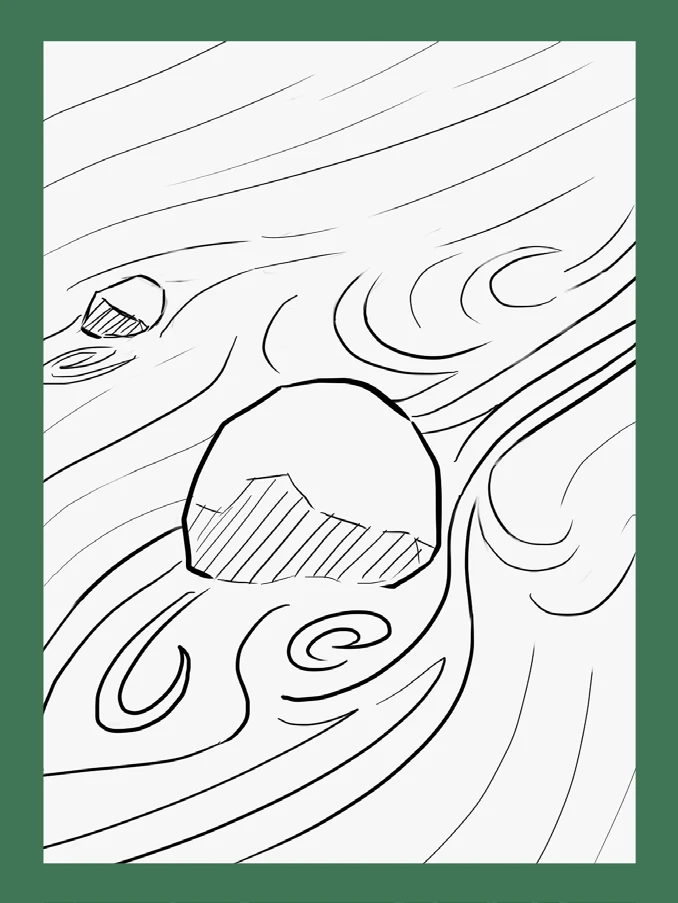
Since the war started raging, we find ourselves pushed and pulled in the uncertain flow of affairs, but just like water splitting against the boulder will eventually merge, we will surely meet our loved ones again!
Poem 84: Nostalgia (by Fujiwara no Kiyosuke Ason)
Japanese — Romanization — Word for word translation by Soni
- ながらへば — Nagaraeba — if I live on
- またこのごろや — Mata kono goro ya — again, these days, I wonder,
- しのばれむ — Shinobaren — will be recollected fondly, perhaps,
- 憂しと見し世ぞ — Ushi to mishi yo zo — as bitter, I saw, that world indeed
- 今は恋しき — Ima wa koishiki — now, is longed for
Japanese — Romanization — Translation
- ながらへば — nagaraeba — if I live on; if life continues
- また — mata — again; also
- このごろ — kono goro — these days; the present time
- や — ya — rhetorical/questioning particle
- しのばれ — shinobare — be remembered; come to mind
- む — u(n) — will; probably; future supposition
- 憂し — ushi — bitter; painful; miserable
- と — to — as; that
- 見し — mishi — saw; experienced
- 世 — yo — world; life; times
- ぞ — zo — emphatic particle; indeed
- 今は — ima wa — now
- 恋しき — koishiki — dear; beloved; nostalgically longed for
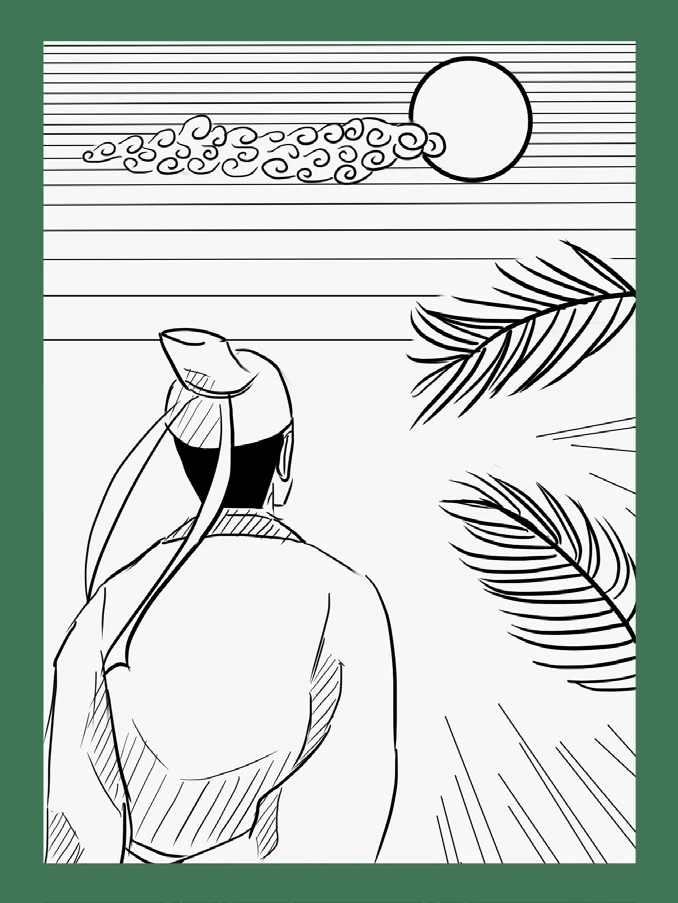
This poem was actually the reason that I got to know the Hyakunin Isshu anthology as it was cited in a manga (Japanese comic) that I read. Especially in the context of the current war that has been raging (on and off) for nearly three years – full of ups and downs for me personally, but after all, I hold them fondly in my heart!
And I guess you too, can relate to the poem – which was written in the 12th century but still echoes and resonates with us modern people – just like the ‘waterfall’ in poem 55.
I hope you enjoyed reading this introduction as much as I enjoyed writing it down. If you want to read more poems in the anthology, I find https://100poets.com/ to be a great resource.
Join the conversation
Comments are reviewed before appearing. Your display name and comment may become public if approved. Email is optional, never displayed, and is erased when moderation is completed.